
How to Get More Roofing Leads
Prepare for storm demand, build local trust, and follow up on inspections that don't close right away.
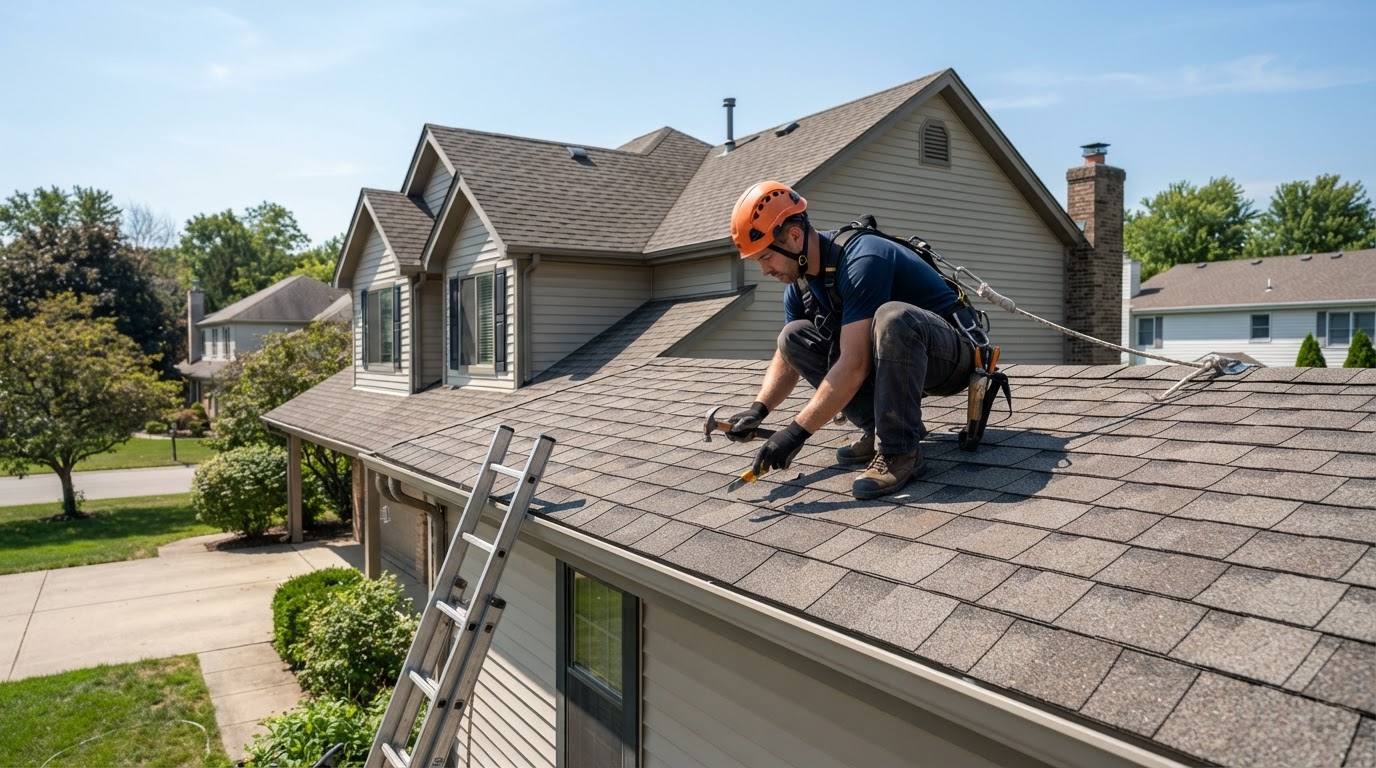
Knowing how to get more roofing leads starts with being ready for both sudden storm demand and homeowners planning a major purchase. Trust plays a big role because a roof is expensive, and customers may be worried about choosing the wrong contractor.
Use this plan to build visibility and credibility before you need them most.
Understand the Types of Roofing Leads
- Active leak: The customer wants help now.
- Storm damage: The customer may need an inspection and information about next steps.
- Planned replacement: The customer may compare options for weeks or months.
- Commercial work: The buyer may have a longer process and different requirements.
Each type requires a different message. Someone with water coming through the ceiling needs fast help, while someone planning a replacement needs clear information and proof of your work.
1. Build a Storm Response Plan
Don't wait until after a major storm to decide how you'll handle a surge. Prepare:
- Who answers calls and forms
- How inspections are prioritized
- What customers should know before you arrive
- Text and email templates
- A list of neighborhoods you'll actually serve
- An honest process for quotes and documentation
Be careful with claims about insurance. Don't promise coverage or tell customers what their insurer will pay. Encourage them to review their policy and communicate directly with their insurer.
2. Show Local Proof
Roofing customers want to know you've done work like theirs, nearby. Add:
- Project photos with useful details
- The neighborhood or city, with customer permission
- Materials and scope
- Real customer reviews
- Licensing and insurance information
- Warranty details
A good service area page can help when you've got real local proof. Don't publish identical city pages, since Google's spam policies warn against doorway abuse.
3. Strengthen Your Google Presence
Complete your Google Business Profile and upload recent project photos. Keep your phone number and hours accurate, especially after severe weather.
Since reviews and links support local prominence, ask every customer for honest feedback. Use these review request templates after each job.
4. Create Pages for Each Major Need
Consider separate pages for:
- Roof repair
- Roof replacement
- Roof inspections
- Storm damage
- Gutters, if you offer them
- Commercial roofing, if you offer it
Answer common questions, including what affects the cost, how long the work takes, and how to tell whether a repair or replacement makes sense. Our website page guide can help.
5. Follow Up on Inspections and Estimates
A roofing lead may not decide right away. They could be collecting estimates, reviewing their budget, or waiting on insurance. Your follow-up should be helpful and specific.
A simple approach:
- Send a summary and photos soon after the inspection.
- Follow up within a day or two.
- Check on their timeline a few days later.
- Ask whether they need more information.
- Close the loop politely if you don't hear back.
Use these estimate follow-up templates and closing tips.
6. Test Paid Channels by Job Type
Search ads can reach homeowners who need help now. LocaliQ's historical benchmarks showed roofing and gutters at an average CPC of $9.03 and cost per lead of $101.49, based on 2020 to 2021 data. Current costs may be quite different, so test in your market.
Facebook and Instagram can also suit roof replacement campaigns with real project visuals, but people may not be ready to buy immediately. Our guide to Facebook ads for contractors explains how to test them.
Compare channels by booked jobs and gross profit. A roof replacement can support a much higher acquisition cost than a small repair, but only if it's actually closing.
7. Use Canvassing Carefully
Door knocking can be a real lead source, particularly after storms, but it isn't for every roofer or every market. Check local rules and permit requirements, train your team to be honest, and don't make claims about damage you haven't confirmed.
Digital marketing and canvassing can work together. A homeowner may check your reviews and website after someone knocks on the door, so make sure your online presence supports what your team says.
8. Keep in Touch After the Job
A finished roof can lead to referrals. Ask customers whether they know anyone who needs help, and follow up about gutters, maintenance, or related work when it's useful. Check the rules before sending marketing texts, and read our past customer guide for ideas.
The Bottom Line
Prepare before storm season, build trust with real proof, and follow up with homeowners who need time to decide. To see how Sytclix supports roofers, visit our Roofing page.
Frequently Asked Questions
How can roofers get leads without buying them?
Build your Google profile, reviews, website, referrals, and past customer outreach. Compare those channels with paid leads using your cost per booked job. Our lead guide covers more options.
Are storm leads good for roofers?
They can be, but they may come with heavy competition and require careful communication. Prepare your process and verify claims about damage.
Should roofers use Facebook ads?
They can work for visual replacement campaigns, but results vary. Test with a clear offer, fast follow-up, and booked-job tracking.