
How to Follow Up on an Estimate: Texts and Emails to Use
A simple follow-up schedule, plus text and email templates that don't sound pushy.
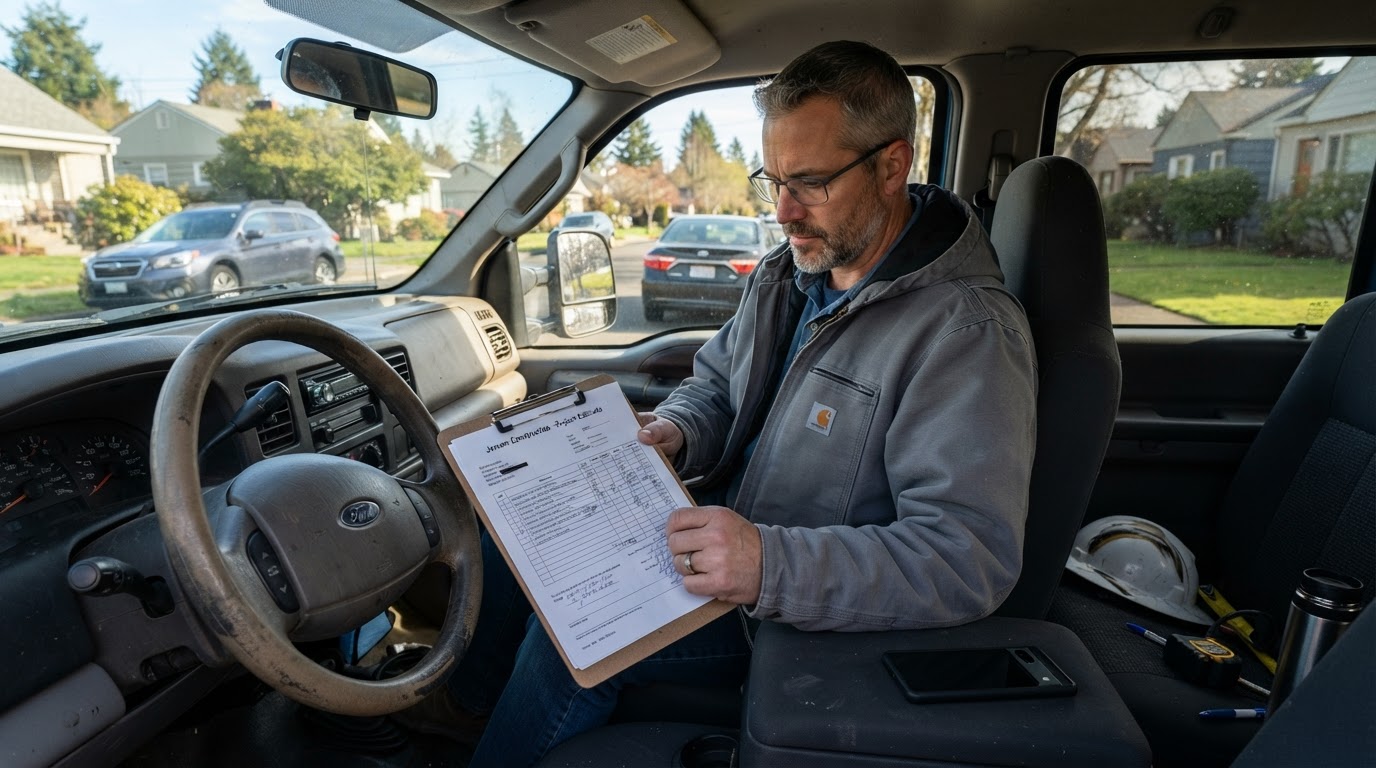
Follow up on an estimate within a day or two, check in again a few days later, and then close the loop if you don't hear back. A customer's silence doesn't always mean no. They may be comparing quotes, waiting on a spouse, or simply busy.
A clear process helps you stay on their radar without being pushy. Use the schedule and templates below as a starting point, then adjust them to fit your jobs.
A Simple Follow-Up Schedule
| When | Channel | Goal |
|---|---|---|
| Same day | Text or email | Confirm they received the estimate |
| 1 to 2 days later | Phone or text | Answer questions |
| 4 to 5 days later | Text | Check on their timeline |
| 7 to 10 days later | Add useful information or options | |
| 14 days later | Text or email | Close the loop politely |
This timing is a practical starting point rather than a rule. Follow up sooner on urgent repairs, and allow more time for a large remodel or a customer who gave you a specific decision date.
Before You Send the Estimate
Good follow-up starts during the estimate appointment. Before you leave, ask:
- "When are you hoping to get this done?"
- "Is anyone else involved in making the decision?"
- "Are you comparing other estimates?"
- "If I haven't heard from you, when should I check back?"
- "Is text or email better for you?"
Those answers help you follow up at the right time and give you a natural reason to reach out.
Text Message Templates
Same Day
Hi [First Name], this is [Name] with [Business]. I just sent your estimate for [project]. Please let me know if you have any questions.
Answering Questions
Hi [First Name], it's [Name] from [Business]. Did you get a chance to look over the estimate? I'm happy to go over anything with you.
Checking the Timeline
Hi [First Name], just checking in on your [project]. Are you still hoping to get it done by [timeframe]?
Scheduling
Hi [First Name], we have [day/time] available if you'd like to move forward with your [project]. Would you like me to hold that time?
Only send this message if the opening is real.
Closing the Loop
Hi [First Name], I haven't heard back about your [project], so I'll close this estimate for now. If your plans change, just reply here and I'd be glad to help.
Email Templates
After Sending the Estimate
Subject: Your estimate for [project]
Hi [First Name],
Thanks for meeting with me today. Your estimate for [project] is attached.
It includes [main scope items]. If you'd like to adjust anything or have questions, just reply to this email or call me at [phone number].
Thanks, [Name]
Offering Options
Subject: Options for your [project]
Hi [First Name],
I wanted to check whether the estimate fits what you had in mind. If needed, we can look at [alternative scope, phasing, or materials].
Would it help to go over the options together?
Thanks, [Name]
Final Follow-Up
Subject: Should I close your estimate?
Hi [First Name],
I haven't heard back, so I wanted to check whether you're still considering this project. If the timing has changed or you've gone another direction, that's completely fine.
Just let me know, and I'll update our records. We'd be glad to help if you need us in the future.
Thanks, [Name]
Tips That Make Follow-Up Work Better
Add Something Useful
"Just checking in" gets old quickly. Whenever you can, include an answer to a question, a scheduling update, a project option, or a clarification about the estimate.
Make Sure the Customer Can Trust You
Customers may look you up before deciding. Keep your reviews, photos, and website current. Here's how to get more Google reviews, and here's what a contractor website should include.
Automate the Reminders
It's easy to forget follow-up when you're running jobs. Set up reminders and stop them as soon as the customer replies, accepts, or declines. Our Automated Lead Follow Up service can help you keep this process consistent.
Keep Your Messages Compliant
Estimate texts should relate to the customer's request. Promotional messages can require a higher level of consent. The FCC's archived consumer guidance says commercial texts require written consent and that a prior purchase or business contact isn't enough permission for those messages. Ask a qualified attorney to review your process, and always honor requests to stop.
Track Why You Win and Lose
Keep a simple record of when you sent each estimate, when you followed up, and the outcome. Over time, you may notice patterns in timing, price, or job type that help you improve.
The Bottom Line
Set the next step during your estimate visit, follow up on a consistent schedule, and give the customer an easy way to respond. Even when the answer is no, you'll know where the job stands and can focus on the customers who are ready to move forward.
If you'd like help setting up the process, talk to our team.
Frequently Asked Questions
How long should I wait to follow up on an estimate?
Confirm that the customer received it the same day, then follow up within 1 to 2 days. Adjust that timing if the job is urgent or the customer gave you a specific decision date.
How many times should I follow up on an estimate?
Three to five attempts over about two weeks is a reasonable starting point. Stop if the customer declines or asks you not to contact them.
Is it better to follow up by text, email, or phone?
Ask the customer what they prefer during the appointment. Many contractors use a mix, with email for documents and phone or text for quick questions.