
How to Close More Estimates as a Contractor
Practical changes you can make before, during, and after the estimate to win more of the right work.
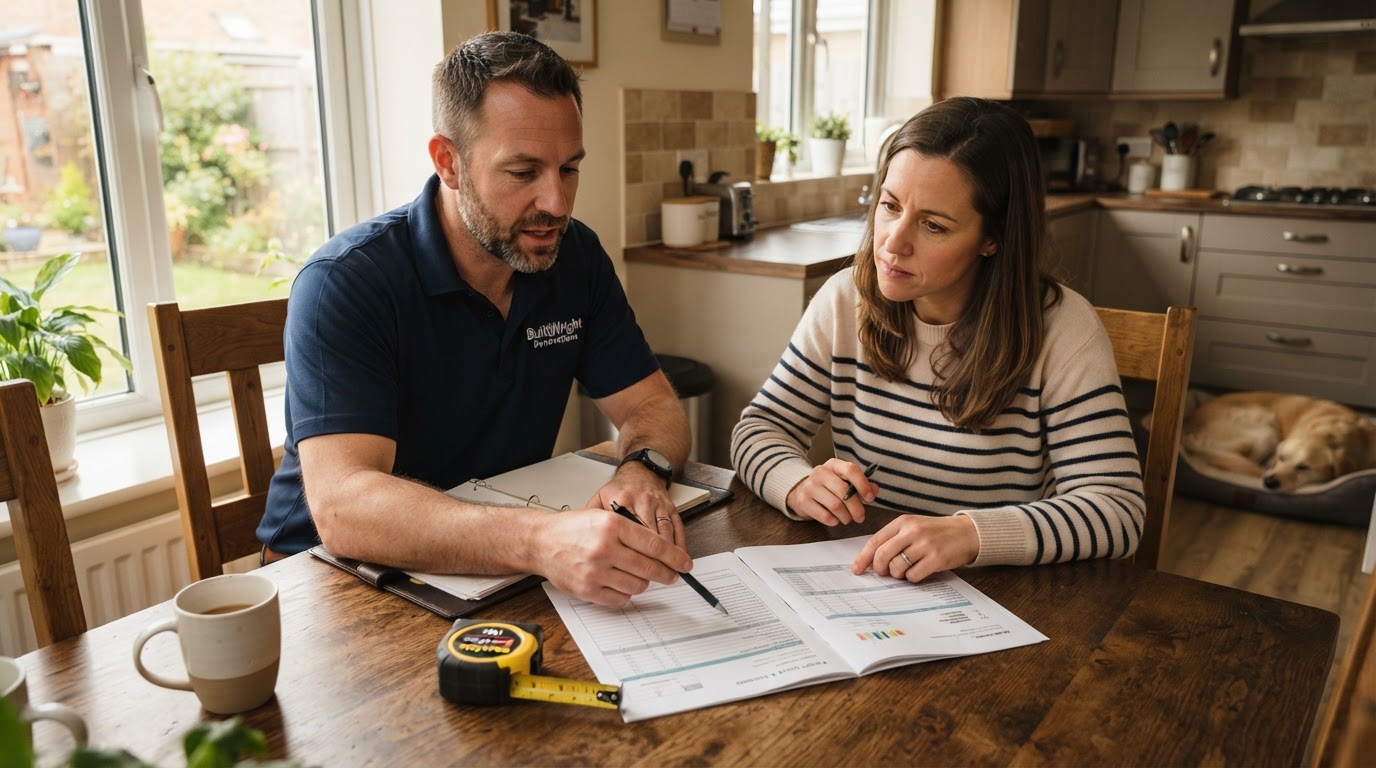
If you want to know how to close more estimates as a contractor, start before you arrive. Confirm that the customer is a good fit, learn what matters to them, make your estimate easy to understand, and always agree on a next step.
You can't win every job, and you shouldn't try to. The goal is to win more of the work that fits your business without turning into a pushy salesperson.
Start With a Baseline
Before changing your process, calculate your current close rate:
Jobs won ÷ estimates given = close rate
If you won 20 jobs from 60 estimates, your close rate is 33%. Track it by service type and lead source, since a repair and a remodel may behave very differently.
Before the Estimate
Respond Quickly
The first company to have a real conversation has an opportunity to set expectations. Research on online sales leads found a major advantage for fast contact, although that study wasn't specific to contractors. Use missed call text templates so a missed call doesn't end the conversation.
Ask a Few Qualifying Questions
A short phone call can save a wasted trip. Ask:
- What's going on, and what result do you want?
- When do you want this done?
- Has anyone else looked at it?
- Do you have a budget in mind?
- Will everyone involved in the decision be there?
You aren't trying to interrogate them. You're trying to understand whether a site visit makes sense.
Confirm the Appointment
Send the time, name of the person coming, and what to expect. Our guide to reducing no-shows includes reminder ideas.
During the Visit
Diagnose Before You Quote
Ask questions, inspect the issue, and explain what you see. Customers can compare prices more easily than they can compare judgment, so show them how you're thinking.
Photos can be helpful. Show the problem, explain it in plain language, and avoid scare tactics.
Find Out What Matters Most
Two customers can want the same work for different reasons. One may care most about speed, another about appearance or long-term reliability. Repeat what you heard before you make a recommendation.
Make Your Credibility Easy to See
Bring up your licensing, insurance, warranty, and process where they're relevant. Be ready to share real project examples and reviews. If someone checks you online, a strong Google review profile can support what you've said.
In the Estimate
Make the Scope Clear
A one-line total leaves the customer guessing. Include:
- What's included
- What's not included
- Materials or options
- Timeline
- Warranty information
- Payment terms
- How to approve the work
Clear scope makes it easier for customers to compare your estimate with a cheaper one that leaves things out.
Offer Options When They Fit
Good, better, and best options can help when the choices are real. For example, you might offer a repair, a replacement, or an upgraded replacement. Explain the tradeoffs without overwhelming the customer.
Deliver It Quickly
Send your estimate while the visit is still fresh. If a complex project will take more time, tell the customer when to expect it.
After the Estimate
Set the Next Step Before You Leave
Ask, "When should I check back with you?" Then follow up at that time.
Follow Up Consistently
Many owners send the estimate and hope. Create a simple schedule and use these estimate follow-up texts and emails.
Ask Why You Lost
When a customer says no, ask politely what drove the decision. Keep notes on whether it was price, timing, trust, or something else. Over time, you'll see patterns you can act on.
Is Your Price the Problem?
Sometimes, but don't assume it is. Look at your data:
- Are you quoting jobs outside your ideal service area?
- Are your lead sources attracting price shoppers?
- Are your estimates hard to understand?
- Are you following up?
- Do customers see enough proof of your work?
If your close rate is very high, you might even want to review your pricing, since you may be leaving money on the table.
The Bottom Line
Better estimates come from a better process: respond fast, qualify gently, explain clearly, and follow up. If you'd like the reminders and follow-up handled for you, take a look at Sytclix's Automated Lead Follow Up service.
Frequently Asked Questions
What's a good estimate close rate for a contractor?
It varies by trade, lead source, and job type. Track your own baseline by service and lead source, then work on improving it.
Should I lower my price to close more estimates?
Not before you understand why you're losing. Clearer scope, better follow-up, or better-fit leads may help without cutting your margin.
Should I give a price over the phone?
It depends on the job. Simple work may allow a range, while complex work may require a visit. Be clear about what could change the final price.