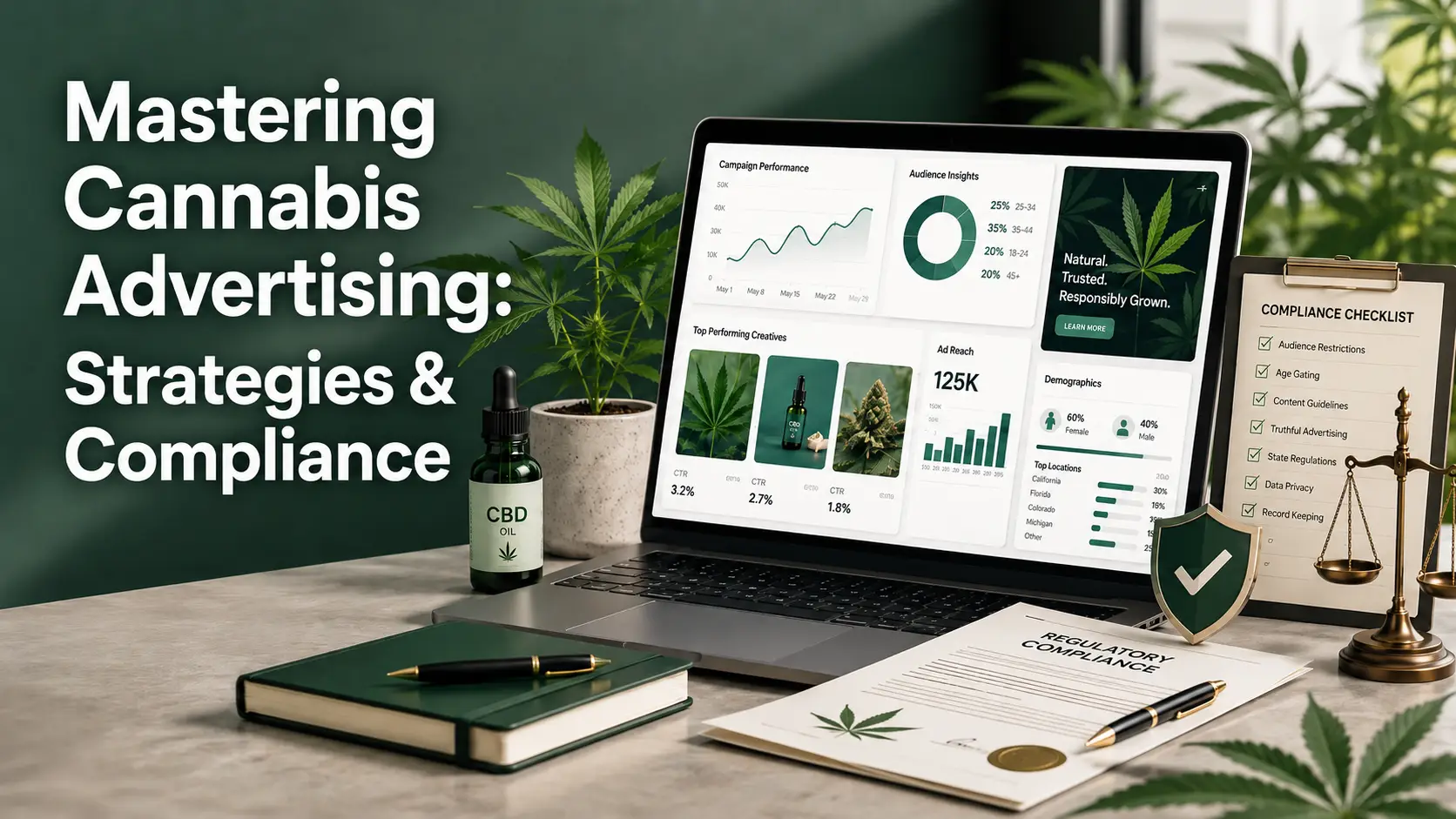


In the CBD industry, trust is everything. Customers are more cautious, platforms are stricter, and the competition keeps growing. That means strong branding is not just about looking professional. It is about helping people feel confident in your company within seconds of landing on your website, viewing your packaging, or reading your content. If your brand feels unclear, inconsistent, or overly promotional, potential buyers may leave before they ever explore your products.
CBD marketing branding works best when it combines credibility, clarity, and consistency. The brands that grow fastest are usually the ones that make customers feel safe, informed, and understood. In a space where consumers often have questions about quality, compliance, ingredients, and legitimacy, your branding should answer those concerns before they are even asked. Building trust fast means removing friction, showing transparency, and creating a polished identity that feels dependable from the first interaction.
One of the fastest ways to build trust is to make your brand look established and consistent across every touchpoint. Your logo, colors, packaging, product pages, social media graphics, email design, and tone of voice should all feel like they come from the same company. A scattered brand creates doubt. A consistent brand creates familiarity, and familiarity helps people feel more comfortable buying. Strong brand consistency also makes your business look more serious and memorable, which is especially important in a crowded CBD market. Research on brand trust and consistency supports the idea that customers are more likely to trust businesses that present themselves clearly and consistently across channels. Shopify’s guide to brand trust and its breakdown of brand consistency both reinforce how transparency, reliability, and a unified brand experience influence customer confidence.
Your website is often the first real trust test. If your site looks outdated, loads slowly, has confusing navigation, or feels generic, visitors may assume the same about your products. A clean and modern CBD website should immediately explain who you are, what you sell, who it is for, and why your brand is credible. Your homepage should feature clear messaging, professional design, product education, customer support access, and strong calls to action. Adding trust elements such as lab testing information, ingredient transparency, real reviews, and easy-to-find policies can make a major difference. Customers want to know they are buying from a real company that values quality and accountability.
Another major part of CBD branding is the way you communicate your claims. Many brands lose trust because they overpromise. If your marketing sounds exaggerated or makes bold health claims without support, customers may become skeptical. Beyond that, regulators are watching closely. The FTC states that advertising must be truthful, not misleading, and backed by appropriate evidence, while the FDA has repeatedly warned companies marketing CBD products with unproven claims or other problematic positioning. For CBD businesses, that means branding should focus on education, quality, sourcing, customer experience, and transparency rather than unsupported promises. Reviewing the FTC’s Advertising and Marketing Basics and the FDA’s page on products containing cannabis and CBD can help brands better understand the kind of messaging that supports long-term trust.
Transparency is one of the biggest trust builders in CBD marketing. Customers want to know what is in your product, where it came from, how it was tested, and why they should choose your company over another. Brands that openly share product details, sourcing standards, extraction methods, and third-party testing often have a stronger chance of winning over first-time buyers. Even simple improvements like clear FAQs, accessible customer service, and easy-to-understand product descriptions can make your brand feel more honest and customer-focused. The more clearly you explain your products, the less uncertainty your customers feel.
Brand voice also matters more than many CBD companies realize. Some brands sound too clinical, while others sound too trendy or vague. The strongest CBD brands use a voice that is confident, educational, approachable, and professional. Your content should make people feel informed, not pressured. Blog posts, email campaigns, landing pages, and product descriptions should all reinforce the same message: your company is knowledgeable, trustworthy, and committed to quality. When customers hear the same level-headed tone everywhere they interact with your brand, it strengthens credibility.
Visual branding plays a major role too. Fast trust is often visual before it is logical. That means your packaging, product photos, labels, and graphics should look polished and intentional. Low-quality visuals can instantly reduce confidence, even if the product itself is excellent. High-quality branding signals care, stability, and legitimacy. In CBD marketing, design should support your message, not distract from it. Clean typography, readable labels, calming color palettes, and consistent product presentation can help create a premium impression that makes customers more willing to engage.
Another smart strategy is to build trust through educational content. A brand that teaches is usually more trusted than a brand that only sells. Blog articles, buying guides, ingredient explainers, and helpful FAQs can position your company as a credible resource. This is especially valuable in the CBD industry because many consumers are still learning the difference between product types, strengths, formats, and ingredients. Educational content also supports SEO, giving your brand more opportunities to show up when potential customers search for answers online. Instead of pushing for the sale immediately, helpful content allows your business to earn attention and trust naturally over time.
CBD companies should also think carefully about legal and brand protection as they grow. A trustworthy brand is one that looks built for the long term, not something temporary. That includes protecting your brand name, presenting your products responsibly, and understanding how regulated industries affect trademark and branding decisions. The USPTO explains that trademarks connected to regulated products can receive additional review and must comply with federal law requirements. For growing CBD businesses, reviewing the USPTO’s guidance on trademark laws for regulated products and activities is a smart step in building a serious and defensible brand identity.
Customer proof is another way to build trust fast. Reviews, testimonials, user-generated content, and repeat customer stories help reduce hesitation. When new visitors see that other people have had a good experience with your brand, it lowers the perceived risk of buying from you. Even better, this kind of proof feels more authentic than promotional copy. Adding verified reviews to product pages, featuring customer feedback in email marketing, and highlighting positive brand experiences across your website can strengthen credibility quickly.
At the end of the day, CBD marketing branding is about making people feel safe choosing your company. Trust grows when your branding feels consistent, your messaging feels honest, your visuals look professional, and your content helps people make informed decisions. The brands that win are not always the loudest. They are the clearest, most credible, and most reliable. If you want to build trust fast, focus less on hype and more on creating a brand experience that feels transparent, polished, and customer-first from the very beginning.